Posted on 8/28/2026
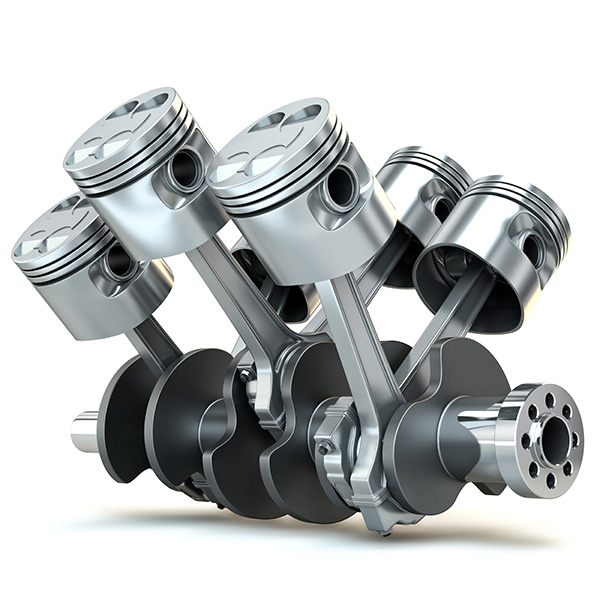
The crankshaft position sensor tells the engine computer how fast the crankshaft is turning and where it is in its rotation. That information helps the computer control ignition timing, fuel injection, variable valve timing, misfire monitoring, and other essential engine functions. When the signal becomes inaccurate or disappears, the engine may stall, hesitate, misfire, take longer to start, or refuse to start at all. A failed sensor is one possible cause, but damaged wiring, a faulty reluctor wheel, incorrect mechanical timing, or excessive crankshaft movement can produce similar symptoms. How the Crankshaft Position Sensor Works Most engines use either a magnetic sensor or a Hall-effect sensor positioned close to a toothed reluctor wheel. The reluctor may be attached to the crankshaft, flywheel, flexplate, harmonic balancer, or another rotating component. As the teeth pass the sensor, they create a changing electrical signal. A missing tooth or specially arrange ... read more