A power steering fluid leak around the steering rack can start small and stay easy to ignore for a while. You may notice a damp spot underneath the car, hear the power steering pump whine, or find yourself adding fluid more often than before.
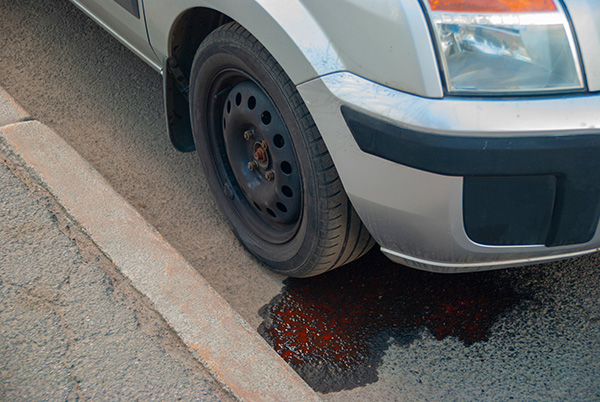
The steering rack is part of a pressurized hydraulic system, so once a seal or connection starts leaking, the problem usually gets worse with time. At our shop, we first confirm that the fluid is actually coming from the rack because hoses, fittings, and the pump can leak in the same general area.
Worn Internal Rack Seals Are a Common Cause
Hydraulic steering racks use internal seals to keep pressurized fluid inside the housing while the rack moves from side to side. Those seals have to work through thousands of steering cycles while dealing with heat, pressure, and constant exposure to fluid.
As the seals age, they can harden, shrink, or wear enough to let fluid pass. One common clue is power steering fluid collecting inside the rubber rack boots. Those boots are designed to keep dirt out, not hold fluid, so finding oil inside them usually points toward an internal rack leak.
Corrosion Can Damage the Sealing Surface
The rack shaft has to stay smooth where it passes through the seals. Rust, pitting, or scoring can create a rough surface that damages the sealing lip every time the steering moves.
This is one reason simply replacing a seal is not always enough. If the shaft itself is damaged, a new seal may start leaking again quickly. During an inspection, we look at the condition of the rack assembly as a whole before deciding whether a repair is realistic or whether replacement makes more sense.
Power Steering Hoses Can Make the Rack Look Guilty
Fluid can travel along the rack housing, crossmember, or nearby components before dripping onto the ground. That means the lowest wet point is not always where the leak began.
High-pressure hoses, return hoses, fittings, and O-rings can all leak near the steering rack. We clean the area and trace fresh fluid back to its highest point. If the rack itself is dry and the leak comes from a hose connection, replacing the complete steering gear would be unnecessary.
Damaged Rack Boots Can Lead to Bigger Problems
The rubber boots on each end of the steering rack protect the inner tie rods and polished rack surfaces from water, grit, and road debris. If a boot tears, contamination can work its way inside.
That contamination can contribute to corrosion on the rack shaft and accelerate seal wear. A torn boot by itself doesn't always mean the rack is leaking, but it shouldn't be ignored. Once dirt and moisture reach precision steering components, wear can progress much faster.
Low Fluid Can Damage the Power Steering Pump
A leaking rack does more than make a mess underneath the vehicle. Every bit of lost fluid reduces the amount available to lubricate and supply the power steering pump.
When the fluid level gets low, the pump can pull in air and begin whining or groaning. Steering effort may increase, especially at low speed. Continued driving with low fluid can damage the pump, turning one steering-system repair into two.
Watch for Signs the Leak Is Getting Worse
Steering rack leaks do not always leave a large puddle right away. Small seepage can stay hidden until the reservoir level drops enough to affect steering performance.
Signs worth paying attention to include:
- Power steering fluid repeatedly running low
- Whining while turning the steering wheel
- Heavy steering at parking-lot speeds
- Fluid inside the rack boots
- Wetness around the steering rack housing
- Fluid dripping near the front suspension
- Burning smell if fluid reaches hot components
- Steering assist that changes from one drive to the next
Regular maintenance gives us a chance to spot early seepage before the pump begins running low on fluid.
Repair or Replacement Depends on the Condition of the Rack
Some leaks around a steering rack can be repaired if the problem is limited to an external fitting, serviceable connection, or related hose. Internal rack seal failures are different.
Rebuilding a rack requires the sealing surfaces, housing, and internal components to still be in usable condition. If the shaft is corroded, the housing is worn, or the rack has looseness along with the leak, replacement is usually the more dependable option. We compare the unit's condition, parts availability, and repair cost before recommending the next step.
Get Steering Rack Leak Repair In Lawndale, CA, With Rick's Automotive Service
If your vehicle is losing power steering fluid, making steering noises, or showing wetness around the steering rack, Rick's Automotive Service in Lawndale, CA, can inspect the rack, hoses, fittings, boots, and power steering pump to find the actual source.
Schedule a steering system inspection before a small leak lowers the fluid enough to damage the pump or change steering assist.